INQUIRE
Superfloc N-1986 is a high mol...


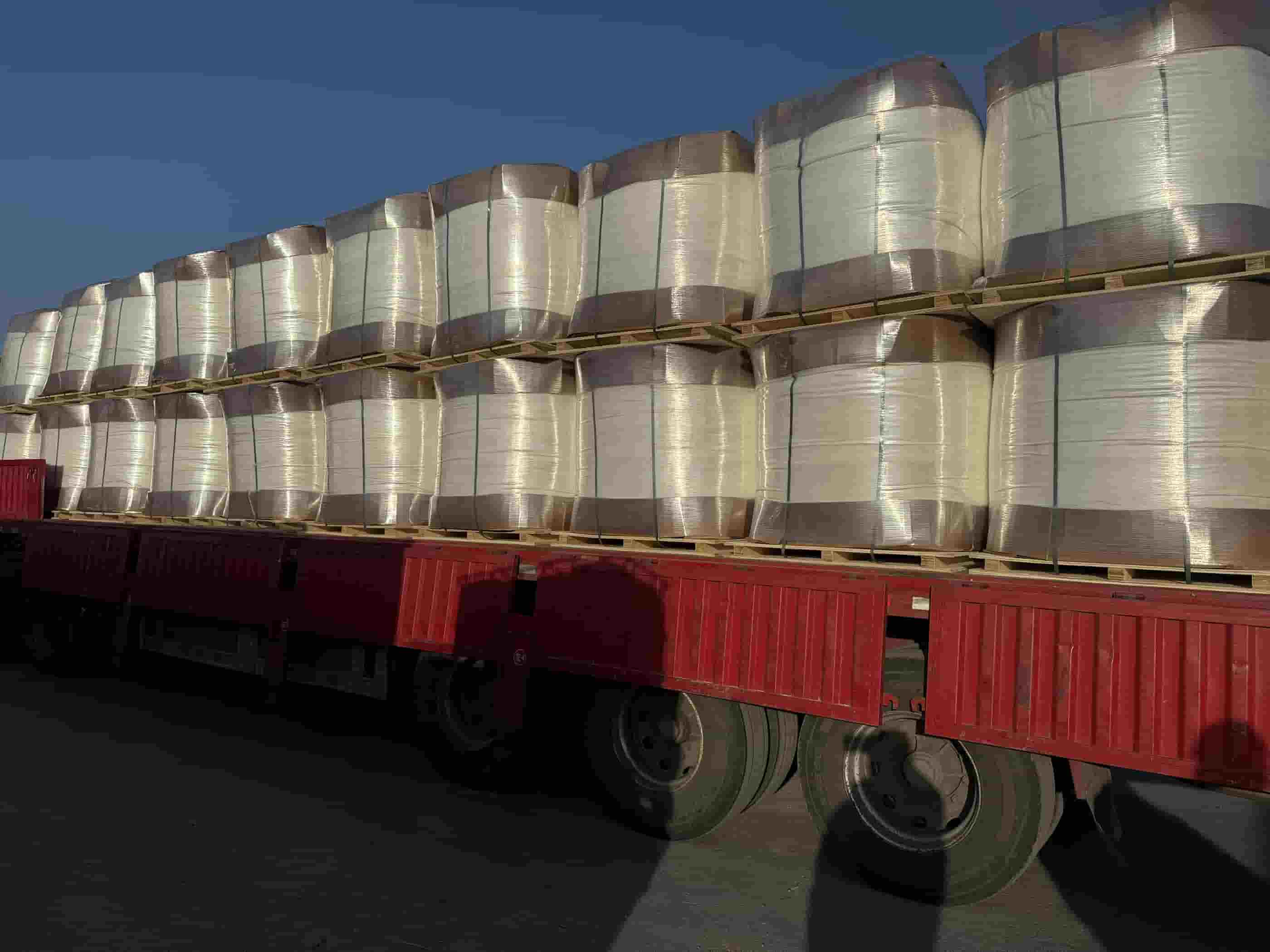
ZETAG 4100 DK is a high-performance anionic polyacrylamide flocculant widely used for solid–liquid separation in industrial, municipal, and mineral processing applications.
Application of ZETAG 4100 DK
ZETAG 4100 DK is a high-performance anionic polyacrylamide flocculant widely used for solid–liquid separation in industrial, municipal, and mineral processing applications. As an anionic polyacrylamide, ZETAG 4100 DK is characterized by high molecular weight, strong particle-bridging ability, and excellent adaptability to varying water chemistries. Its primary function is to aggregate fine suspended solids into large, fast-settling flocs, thereby improving clarification, thickening, and dewatering efficiency. The application of ZETAG 4100 DK is especially important in mining, wastewater treatment, and sludge management processes.
One of the most significant applications of ZETAG 4100 DK is in mining and mineral processing, particularly for tailings thickening and clarification. Ore beneficiation processes generate large volumes of fine mineral particles that remain suspended in water and settle very slowly without chemical assistance. ZETAG 4100 DK anionic polyacrylamide promotes rapid aggregation of these fine particles through polymer bridging, significantly increasing settling rates.
In tailings thickeners, ZETAG 4100 DK helps achieve higher underflow solids concentration while maintaining clear overflow water. Improved water recovery allows mining operations to reuse process water and reduce freshwater consumption, which is critical in water-scarce regions. Higher underflow density also improves tailings handling efficiency and contributes to better tailings storage stability.
ZETAG 4100 DK is widely applied in industrial wastewater treatment across sectors such as metal processing, steel mills, power plants, chemical manufacturing, ceramics, and construction materials industries. These wastewaters often contain fine inorganic particles, metal hydroxide precipitates, and suspended solids generated during neutralization and precipitation processes.
When used after inorganic coagulants such as ferric chloride, aluminum salts, or lime, ZETAG 4100 DK strengthens floc structure and accelerates sedimentation. Enhanced clarification reduces suspended solids in the treated effluent, helping facilities meet environmental discharge regulations. Improved solids removal also lowers the load on downstream filtration or biological treatment systems, enhancing overall treatment stability.
Another important application of ZETAG 4100 DK is in sludge thickening and mechanical dewatering. In industrial and municipal sludge systems, fine particles often trap large amounts of water, resulting in poor dewatering performance. ZETAG 4100 DK anionic polyacrylamide forms large, porous, and shear-resistant flocs that allow water to drain more easily.
In gravity thickeners, ZETAG 4100 DK increases settling rates and produces higher underflow solids concentration. When applied before belt filter presses, centrifuges, or screw presses, it improves cake dryness, reduces polymer consumption, and enhances dewatering consistency. Reduced sludge volume leads to lower transportation and disposal costs and more efficient sludge management.
In municipal water treatment, ZETAG 4100 DK is commonly used as a coagulant aid to improve flocculation and sedimentation. After primary coagulation with aluminum or iron salts, ZETAG 4100 DK increases floc size and density, resulting in lower turbidity and improved clarifier performance. Clearer settled water also improves filter efficiency and extends filter run times.
In municipal wastewater treatment plants, ZETAG 4100 DK is mainly applied for primary sludge or chemically conditioned sludge thickening. Its strong bridging capability ensures stable operation in high-throughput clarifiers and thickeners, even under fluctuating load conditions.
ZETAG 4100 DK also finds application in the pulp and paper industry for white water clarification, fiber recovery, and paper mill sludge dewatering. Fine fibers and fillers present in white water can be effectively flocculated using this anionic polyacrylamide, allowing valuable raw materials to be recovered and reused. Improved white water clarity supports increased internal water recycling and reduced fresh water consumption.
For sludge dewatering, ZETAG 4100 DK improves drainage and produces drier sludge cakes, reducing disposal costs and improving overall mill efficiency.
In construction and civil engineering projects, ZETAG 4100 DK is applied in slurry treatment for tunneling, piling, and diaphragm wall construction. It promotes rapid solid–liquid separation in bentonite or cement slurries, producing clearer water suitable for reuse and minimizing environmental discharge at construction sites.
The application of ZETAG 4100 DK offers multiple operational advantages, including fast floc formation, high settling efficiency, excellent water recovery, and stable performance across a wide pH range and solids concentrations. Its effectiveness at low dosages makes it a cost-efficient flocculant for large-scale operations.
In summary, ZETAG 4100 DK is a versatile anionic polyacrylamide flocculant with broad application in mining and mineral processing, industrial wastewater treatment, sludge thickening and dewatering, municipal water treatment, pulp and paper production, and construction slurry management. By significantly improving solid–liquid separation efficiency and water reuse, ZETAG 4100 DK helps reduce operating costs, enhance environmental compliance, and support sustainable water management practices.
455.jpg "CANCÉ-BRIAND")