INQUIRE
Superfloc N-1986 is a high mol...


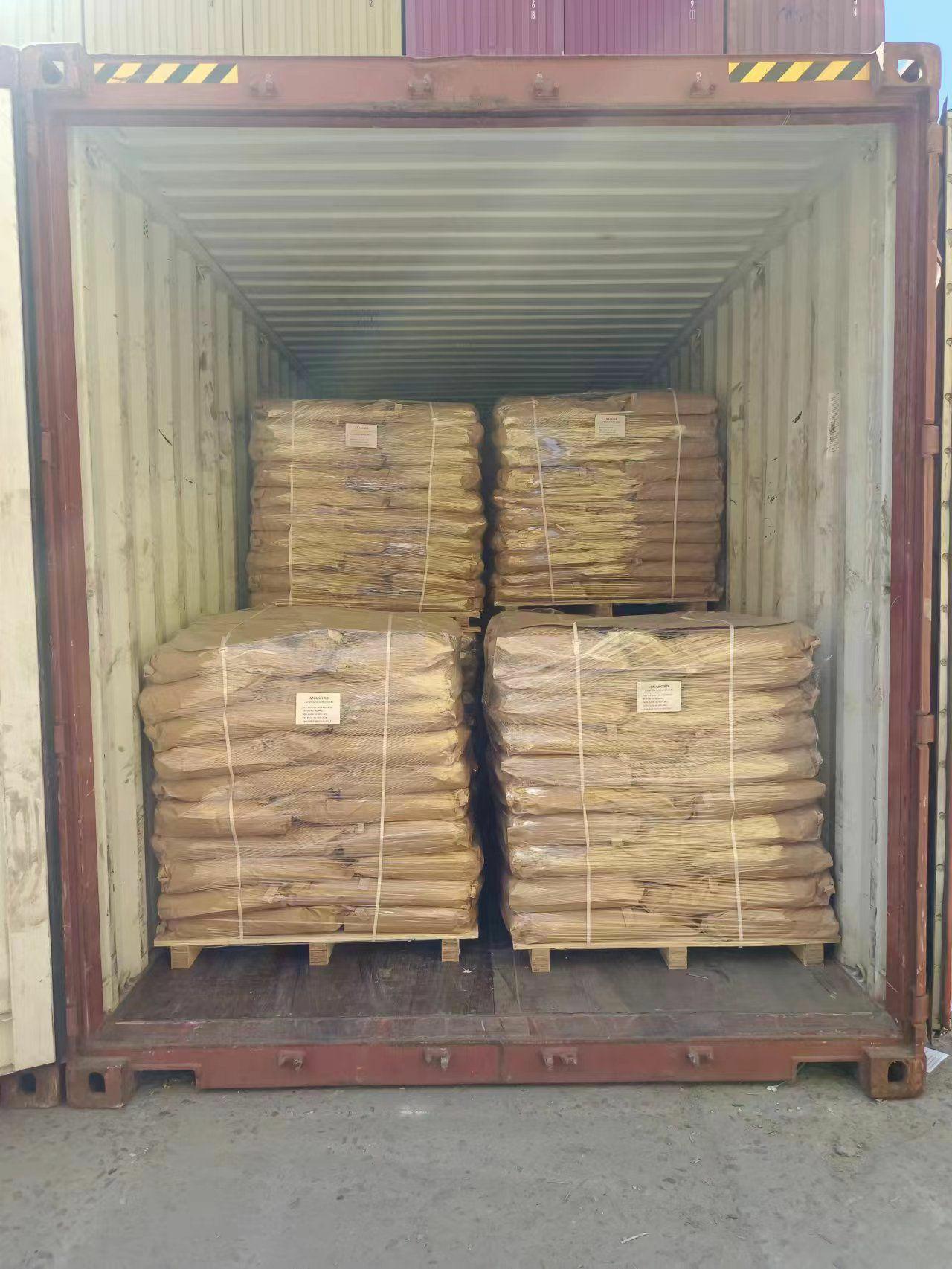
PRAESTOL 2515 is a high-performance anionic polyacrylamide flocculant widely used in solid–liquid separation processes across mining, mineral processing, industrial wastewater treatment, municipal water treatment, and sludge management.
Application of PRAESTOL 2515
PRAESTOL 2515 is a high-performance anionic polyacrylamide flocculant widely used in solid–liquid separation processes across mining, mineral processing, industrial wastewater treatment, municipal water treatment, and sludge management. As a typical anionic polymer with high molecular weight, PRAESTOL 2515 works mainly through adsorption and polymer bridging, enabling fine suspended particles to agglomerate into large, fast-settling flocs. Its stable performance, strong flocculation efficiency, and wide applicability make PRAESTOL 2515 a reliable solution for improving clarification, thickening, and dewatering efficiency.
One of the primary applications of PRAESTOL 2515 is in mining and mineral processing operations, particularly in tailings thickening and process water recovery. Mining activities generate large volumes of tailings slurry containing ultra-fine particles that remain suspended for long periods due to electrostatic repulsion. Without effective flocculation, settling rates are slow and thickener performance is limited.
PRAESTOL 2515 anionic polyacrylamide effectively neutralizes surface interactions through polymer bridging, forming large, dense flocs that settle rapidly in thickeners and clarifiers. This results in higher underflow solids concentration and significantly clearer overflow water. Clear overflow water can be recycled back into the plant as process water, reducing freshwater consumption and lowering operating costs. Improved underflow density also enhances tailings transport efficiency and supports safer tailings storage practices.
PRAESTOL 2515 is widely applied in industrial wastewater treatment, including metallurgy, steel plants, power generation, chemical manufacturing, ceramics, stone processing, and mining-related industries. Industrial effluents often contain high concentrations of suspended solids, metal hydroxides, and inorganic fines produced during neutralization and precipitation processes.
Used alone or as a flocculant aid following inorganic coagulants such as ferric salts, aluminum salts, or lime, PRAESTOL 2515 significantly improves floc formation and sedimentation rates. The resulting flocs are strong and shear-resistant, producing low-turbidity effluent that meets discharge or reuse standards. The use of PRAESTOL 2515 also reduces the load on downstream filtration systems and improves the stability of the overall treatment process.
Another important application of PRAESTOL 2515 is sludge thickening and mechanical dewatering. Sludges generated from industrial and municipal wastewater treatment processes often contain fine particles that trap large amounts of water, making them difficult to dewater efficiently.
PRAESTOL 2515 improves sludge conditioning by forming large, porous flocs that release free water more easily during thickening and dewatering. In gravity thickeners, it accelerates settling and increases underflow solids concentration. When applied before belt filter presses, centrifuges, screw presses, or filter presses, PRAESTOL 2515 enhances cake dryness, improves filtrate clarity, and stabilizes dewatering performance. Reduced sludge volume directly lowers handling, transportation, and disposal costs.
In municipal drinking water treatment, PRAESTOL 2515 is commonly used as a coagulant aid to enhance flocculation following primary coagulation with aluminum or iron salts. Raw water sources often contain colloidal clay, silt, and organic matter that are difficult to remove through coagulation alone.
The addition of PRAESTOL 2515 increases floc size and density, improving sedimentation efficiency in clarifiers. This leads to lower residual turbidity, improved filter performance, longer filter run times, and reduced backwash frequency. Overall, PRAESTOL 2515 helps water treatment plants achieve stable operation and consistent water quality while optimizing chemical consumption.
PRAESTOL 2515 is also applied in municipal wastewater treatment plants, primarily for sludge thickening and chemically assisted primary clarification. It improves the settling characteristics of primary sludge and chemically precipitated solids, enabling higher solids capture and reduced sludge volume.
In sludge treatment lines, PRAESTOL 2515 ensures consistent floc formation even under fluctuating flow and solids loading conditions. Its reliable performance supports stable plant operation and improved cost control in large-scale municipal facilities.
In the pulp and paper industry, PRAESTOL 2515 is used for white water clarification, fiber and filler recovery, and paper mill sludge dewatering. Fine fibers, fillers, and pigments present in white water can be efficiently flocculated, allowing valuable materials to be recovered and reused in the production process.
Improved white water clarity enables higher internal water recycling rates, reduces freshwater demand, and minimizes effluent discharge. For paper mill sludge, PRAESTOL 2515 enhances drainage and increases solids content in the dewatered cake, reducing disposal costs and improving overall mill efficiency.
The application of PRAESTOL 2515 offers significant environmental and economic advantages. By improving solid–liquid separation efficiency, it reduces water consumption, minimizes sludge volume, and supports compliance with increasingly strict environmental regulations. Lower chemical usage, reduced energy demand for dewatering, and improved process stability translate into lower operating costs and more sustainable plant operation.
455.jpg "CANCÉ-BRIAND")