INQUIRE
Superfloc N-1986 is a high mol...


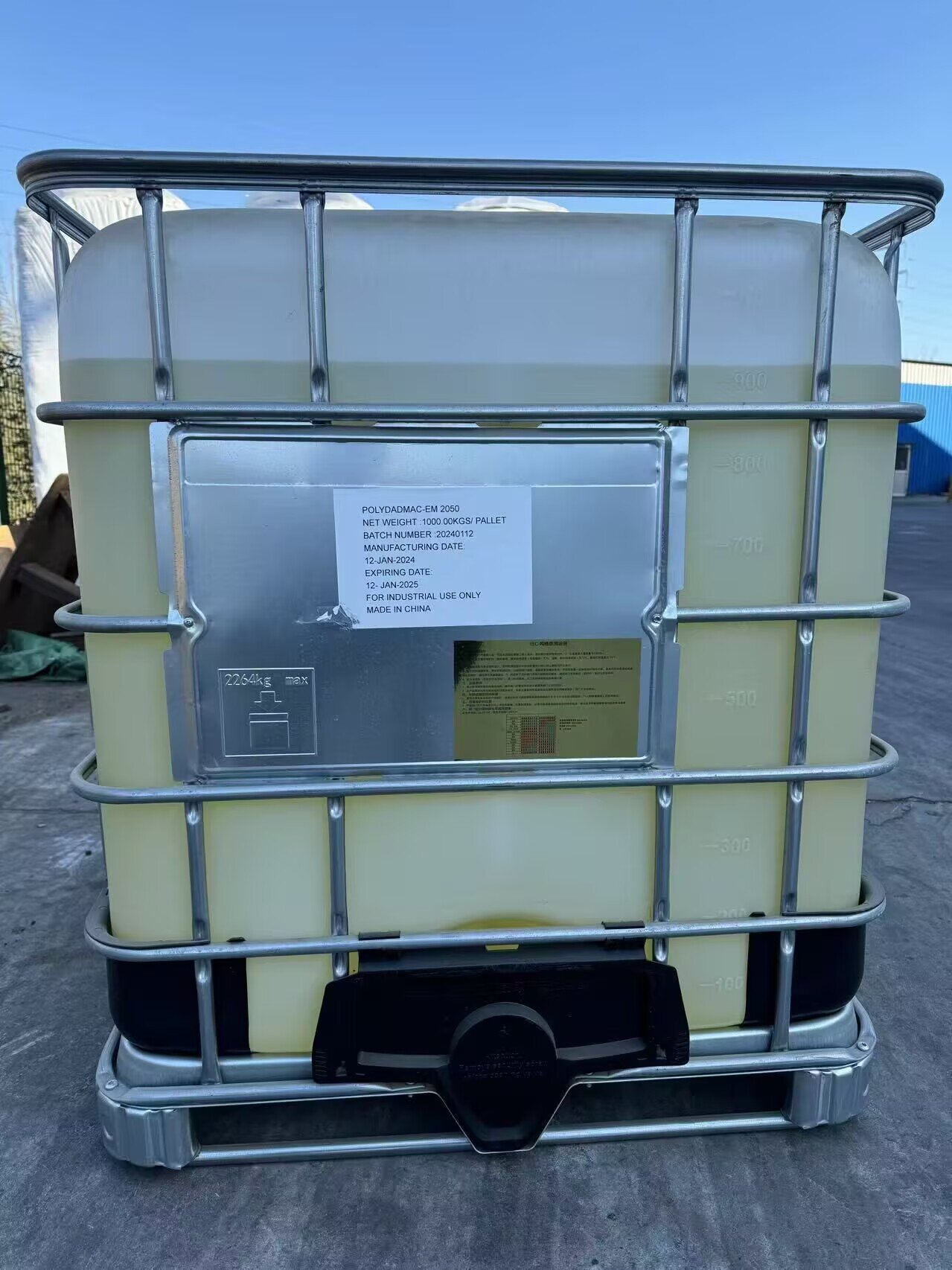
Polyamine is a water-soluble cationic polymer widely used as a coagulant and charge-neutralization agent in water treatment, mining, alumina refining, and various industrial processes.
Polyamine is a water-soluble cationic polymer widely used as a coagulant and charge-neutralization agent in water treatment, mining, alumina refining, and various industrial processes. Polyamine products are synthesized from amine-based monomers and are characterized by high cationic charge density, relatively low to medium molecular weight, and rapid reaction speed. These characteristics make polyamine particularly effective in destabilizing negatively charged colloids and fine suspended solids.
Compared with traditional inorganic coagulants such as aluminum sulfate and ferric chloride, polyamine provides faster clarification, lower dosage requirements, reduced sludge generation, and improved operational flexibility. As a result, polyamine has become an essential organic coagulant in modern solid–liquid separation systems.
The main working mechanism of polyamine is charge neutralization. In raw water, wastewater, and mineral slurries, suspended particles typically carry a negative surface charge, which causes them to repel each other and remain dispersed.
When polyamine is added to the system:
The strong positive charges of polyamine neutralize the particle surfaces
Electrostatic repulsion is eliminated
Fine particles destabilize and collide
Small agglomerates form rapidly
These destabilized particles can then settle directly or be further aggregated by downstream flocculants such as anionic or nonionic polyacrylamide. Polyamine is therefore often used as a primary coagulant or coagulant aid.
In municipal drinking water treatment plants, polyamine is widely applied for turbidity removal and clarification. It improves the performance of sedimentation basins and filters by forming denser, more uniform flocs.
Polyamine helps:
Remove fine colloids and natural organic matter
Improve settling speed
Extend filter run times
Stabilize treated water quality
Because polyamine does not introduce metal ions, it helps reduce residual aluminum or iron in finished water when compared with inorganic coagulants, provided potable-grade products are used.
Polyamine is extensively used in industrial and municipal wastewater treatment systems handling complex effluents containing suspended solids, oils, pigments, and chemical residues.
Common industries include:
Chemical and petrochemical plants
Steel and metallurgical facilities
Pulp and paper mills
Textile and dyeing factories
In these applications, polyamine enhances solid–liquid separation efficiency, lowers total suspended solids (TSS), and improves the performance of downstream biological or physical treatment units.
Sludge conditioning is a major application area for polyamine. Sludge particles often carry strong negative charges that bind water tightly and hinder dewatering.
Polyamine improves sludge treatment by:
Neutralizing particle charges
Releasing bound water
Improving floc structure
Enhancing thickening and dewatering efficiency
Polyamine is commonly used alone or in combination with polyacrylamide to increase cake solids content and reduce sludge volume, leading to lower transportation and disposal costs.
Mining operations consume large volumes of water, which become contaminated with fine mineral particles such as clay, silica, and metal oxides. Polyamine is widely used in process water clarification systems to rapidly destabilize these fines.
Benefits include:
Faster clarification
Improved overflow water clarity
Stable performance under varying pH and salinity
Enhanced water recycling efficiency
Clean recycled water improves grinding efficiency and flotation performance.
In tailings thickeners, ultrafine particles often remain suspended even with flocculant addition. Polyamine is applied as a pre-coagulant to improve the effectiveness of high-molecular-weight flocculants.
Polyamine helps:
Increase settling rate
Improve underflow density
Reduce flocculant consumption
Enhance overflow water quality
These improvements support efficient tailings management and water recovery.
In alumina refineries using the Bayer process, polyamine plays a critical role in red mud settling, washing, and clarification. Red mud particles are extremely fine and highly negatively charged.
Polyamine improves:
Red mud settling speed
Clarification efficiency
Caustic soda recovery
Stability of washers and thickeners
Polyamine is often used together with anionic polyacrylamide to achieve optimal performance under high-alkalinity conditions.
Typical polyamine dosages range from 10 to 200 g per ton of dry solids, depending on solids concentration, particle characteristics, and water chemistry. Polyamine is usually applied as a diluted aqueous solution and requires proper mixing for effective charge neutralization.
Jar testing and plant trials are recommended to optimize dosage and performance.
455.jpg "CANCÉ-BRIAND")